

Lexus Recommended Service Schedule Explained

Author: Performance Lexus
Welcome to your locally tailored maintenance guide for Cincinnati drivers, crafted with insights from Performance Lexus. For those navigating the unique roads from Mason to Dayton, and through Loveland and Butler County, this guide is designed to meet the specific needs of your Lexus. We understand that Cincinnati’s weather can vary-from foggy winter mornings to humid summer days-and that local traffic conditions, like the busy I-71 and I-75 corridors, can impact your vehicle’s performance. With decades of service experience in our community, we’re here to help you keep your Lexus running smoothly, ensuring it’s ready for every drive, whether it’s a family outing to the Cincinnati Zoo or a weekend trip to Hyde Park.
Why Should You Follow a Maintenance Schedule for Your Lexus?
Adhering to a maintenance schedule is crucial for protecting your investment in a Lexus and ensuring its reliability, especially for drivers in the Cincinnati area. The local climate-with its hot summers, humid conditions, and high pollen counts-can significantly impact your vehicle’s fluids, belts, and filters. For instance, the summer heat can cause engine fluids to break down faster, while the spring pollen can clog air filters, reducing efficiency. By following the recommended service intervals, you can address these stressors proactively.
Regular maintenance directly contributes to your Lexus’s performance, fuel efficiency, and safety. A well-maintained vehicle is better equipped to handle local driving conditions, whether you’re navigating the busy streets of Over-the-Rhine or heading to Kenwood Towne Centre for shopping. This commitment to upkeep not only prevents breakdowns but also ensures that your car operates as intended, providing you with peace of mind on every journey. For further insights on vehicle care, resources like Edmunds can offer valuable information.
How Does Lexus’s Service Reminder System Work?
Many Lexus vehicles come equipped with a service reminder system that helps keep track of when maintenance is due. Depending on the specific model, year, and trim, this reminder may either be a straightforward time/mileage counter or a more advanced usage-aware system that adjusts based on how the vehicle is operated. This flexibility ensures that you are prompted to check on the necessary service for your vehicle at the right time.
What Does the Primary Service Reminder Mean?
Understanding your vehicle’s service reminder is crucial for staying on top of maintenance. The primary service reminder serves as a high-level alert indicating that scheduled maintenance is either due or approaching. Depending on the vehicle model and year, this reminder may simply appear as a generic message or light, or it may provide more detailed information through a maintenance menu, descriptive text, percentages, or symbols. To know exactly what maintenance is required, refer to your owner’s manual or check the in-vehicle maintenance screen.
Primary reminder: A general signal prompting you to review your vehicle’s scheduled maintenance guidelines and plan for service. It indicates that maintenance is due, though it does not always specify individual items.
Additional details (if shown): Some vehicles may provide extra information, such as a maintenance screen, percentage, or descriptive messages that clarify what requires attention. If your vehicle includes these details, use them in conjunction with the owner’s manual to confirm the recommended service.
What Do Additional Service Indicators Mean?
Many vehicles provide extra details beyond the primary service reminder, offering insights through additional items, symbols, or menu options. These indicators can help you understand what service may be due, though their meanings can vary based on the specific vehicle. Below are common examples that some vehicles might display; always consult your owner’s manual for precise interpretations.
- Tire rotation: Regular tire rotation promotes even tread wear, which is crucial for balanced handling. In Cincinnati, where stop-and-go traffic is common, or on longer trips to Mason or Dayton, tire wear can vary significantly.
- Engine and cabin air filters: Engine air filters ensure proper airflow, while cabin filters maintain air quality within the vehicle. Dust and pollen, especially prevalent during spring in Loveland and Butler County, can clog these filters over time.
- Transmission fluid: Some vehicles indicate when to service transmission fluid, particularly after extensive stop-and-go driving or hilly routes that add stress to the transmission. This is essential for maintaining smooth performance.
- Spark plugs and valve clearance check (when applicable): Scheduled spark plug replacements are often necessary, and some engines may require a valve clearance inspection. These checks are typically associated with higher mileage or specific service intervals.
- Engine coolant: Maintaining the right level of coolant is essential for regulating engine temperature. Hot weather or prolonged highway driving can increase the demand on your cooling system, especially during the summer months in Cincinnati.
- Rear differential fluid (AWD/4WD, if equipped): Vehicles with AWD or 4WD may require differential fluid service. Driving in wet or uneven conditions, common during Cincinnati winters, can place additional strain on these systems.
- Brake fluid: As brake fluid ages, it can absorb moisture, affecting braking performance. If brake fluid service appears as a maintenance item, it’s important to follow the specified interval for your vehicle and driving conditions.
What is a Typical Lexus Service Schedule for Cincinnati Drivers?
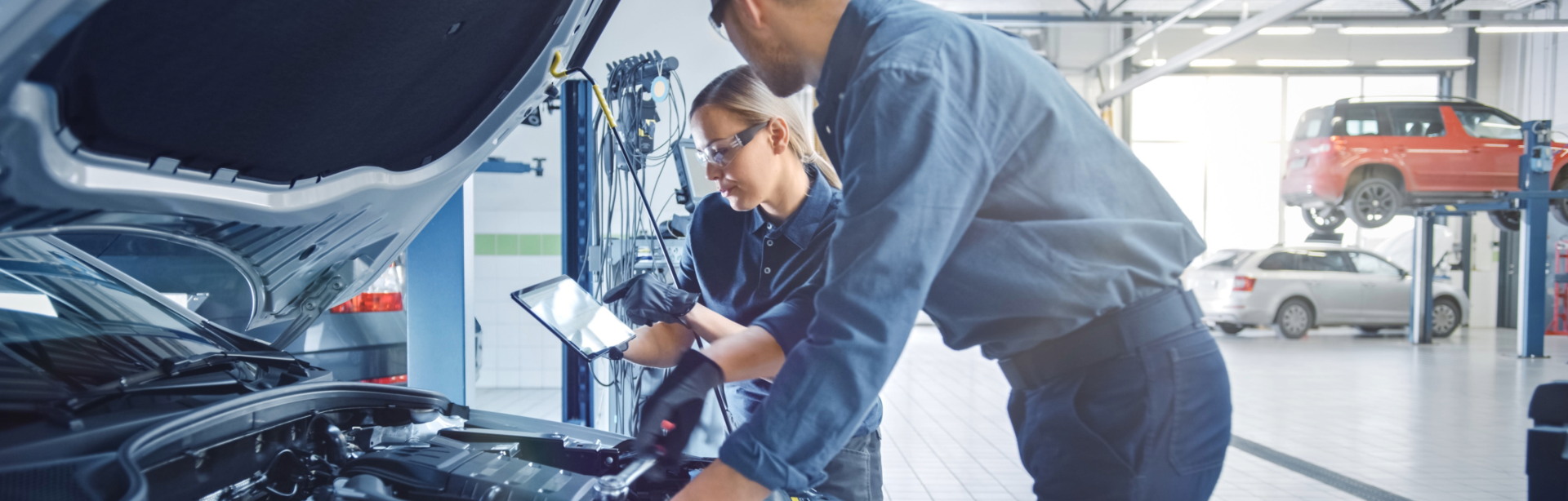
Even if your Lexus features service reminders or maintenance notifications, having a general understanding of typical maintenance intervals can be incredibly beneficial for planning ahead. This overview serves as a helpful reference, complementing your owner’s manual and any in-vehicle guidance, while accounting for Cincinnati’s unique driving conditions-think short trips through the bustling streets of Over-the-Rhine, stop-and-go traffic on I-71, and highway miles during family outings to Findlay Market.
What Services Are Needed in the First 10,000 Miles?
During the first 10,000 miles, Lexus owners typically engage in essential services like routine oil changes, tire rotations, and monitoring air filters. The specific timing for these services may vary depending on your vehicle model and driving habits, so referring to your owner’s manual is crucial.
Oil service: Most Lexus vehicles may require oil changes depending on usage patterns. For example, if you frequently drive in stop-and-go traffic on busy routes like I-75 or through construction zones in downtown Cincinnati, you might find yourself needing an oil change sooner than someone who primarily drives on highways.
Tires and filters: Tire rotations are generally recommended early in ownership to ensure even tire wear. Additionally, engine and cabin air filters should be observed closely, particularly considering factors like pollen and dust from local construction.
What Maintenance Should Be Done Between 30,000 and 60,000 Miles?
As your Lexus approaches higher mileage, maintenance evolves from standard upkeep to more involved services that protect essential systems. The specific intervals and services can vary by model and driving conditions, so it’s important to refer to your owner’s manual and in-vehicle maintenance information for tailored guidance.
Brake Fluid and Inspections: According to the Lexus Manufacturer Scheduled Maintenance Log, brake fluid replacement is strictly required every 30,000 miles or 36 months, whichever comes first, to prevent fluid degradation. Regular inspections of your brakes and tires are crucial as well, especially for urban driving conditions where predictability and safety are paramount—think of your drives along I-71 or during wet weather on Central Parkway. For insights on reliability and owner satisfaction across different models, consider visiting Consumer Reports.
Transmission Fluid Inspection: Most modern Lexus vehicles are equipped with “World Standard” (WS) Lifetime Transmission Fluid, which under normal driving conditions never needs to be replaced. However, technicians will inspect the system for fluid leaks during this interval. A complete transmission fluid replacement is only recommended at 60,000 miles or 72 months if the vehicle is frequently used for severe operating conditions, such as heavy towing or car-top hauling.
What Major Services are Required Approaching 100,000 Miles?
As your Lexus approaches the 100,000-mile mark, several key services often come into focus. While specific timing can vary by model and engine type, it’s important to reference your owner’s manual for guidance on what applies to your vehicle. Addressing these services can enhance reliability and support long-term ownership, ultimately leading to better resale value.
Spark plugs: Many Lexus models suggest replacing spark plugs around this mileage, although the exact timing may differ based on engine design. New spark plugs help ensure efficient combustion, smooth engine operation, and reliable starting, especially as wear accumulates over the years. This can contribute to better fuel efficiency and performance, which is particularly valuable for navigating Cincinnati’s hilly terrain or busy streets.
Timing belt (if equipped) and coolant service: Some older Lexus engines utilize timing belts that may require replacement at specific intervals, while many others are equipped with timing chains that generally don’t have a routine replacement schedule. Additionally, flushing and replacing the coolant periodically is advisable to prevent corrosion and overheating, protecting your vehicle’s cooling system. Staying ahead of these maintenance items can bolster your Lexus’s longevity and reliability; you can also check Kelley Blue Book for insights on how proper maintenance impacts long-term vehicle value.
Why is Local Expertise Important for Servicing Your Lexus?
Having a service team that understands the unique climate and driving conditions of Cincinnati and its surrounding areas is invaluable for maintaining your Lexus. With our humid summers and icy winters, local technicians at Performance Lexus are adept at identifying how these factors impact vehicle performance. For instance, the heat can strain your air conditioning system, while the clay-rich soil in the region often requires more frequent air filter replacements due to increased dust and pollen levels. Additionally, navigating busy roads like I-71 and the Brent Spence Bridge can lead to specific wear patterns that our experts routinely monitor to ensure your vehicle runs smoothly.
Our technicians are trained to spot region-specific issues, from the effects of humid weather on your vehicle’s fluids to the wear and tear caused by heavy traffic patterns on roads such as Montgomery Road and Reading Road. For more information on vehicle safety and maintenance, you can refer to resources like the National Highway Traffic Safety Administration (NHTSA).
Frequently Asked Questions (FAQs)
What should I do if I feel pressured into unnecessary repairs at Performance Lexus?
Performance Lexus encourages open communication, so if you feel pressured, simply ask for clarification on the need for any repairs. The service team will gladly explain the rationale behind their recommendations to ensure you feel comfortable with your vehicle’s maintenance.
How can I verify if a recommended repair is truly necessary?
Performance Lexus will review the repair recommendations with you, outlining the reasons based on your vehicle’s condition and maintenance history. This way, you can make informed decisions about your vehicle’s care.
Are there any customer protections against upselling at Performance Lexus?
Performance Lexus prioritizes transparency and customer satisfaction, ensuring that all service recommendations are based on genuine needs rather than upselling tactics. You’re encouraged to ask questions about any suggested services to understand their necessity.
What are common upselling tactics used by service advisors?
While Performance Lexus aims to provide honest service, upselling can occur through emphasizing the urgency of certain repairs or presenting package deals. However, the focus remains on your vehicle’s specific needs, ensuring you receive only what is truly necessary.
About Performance Lexus
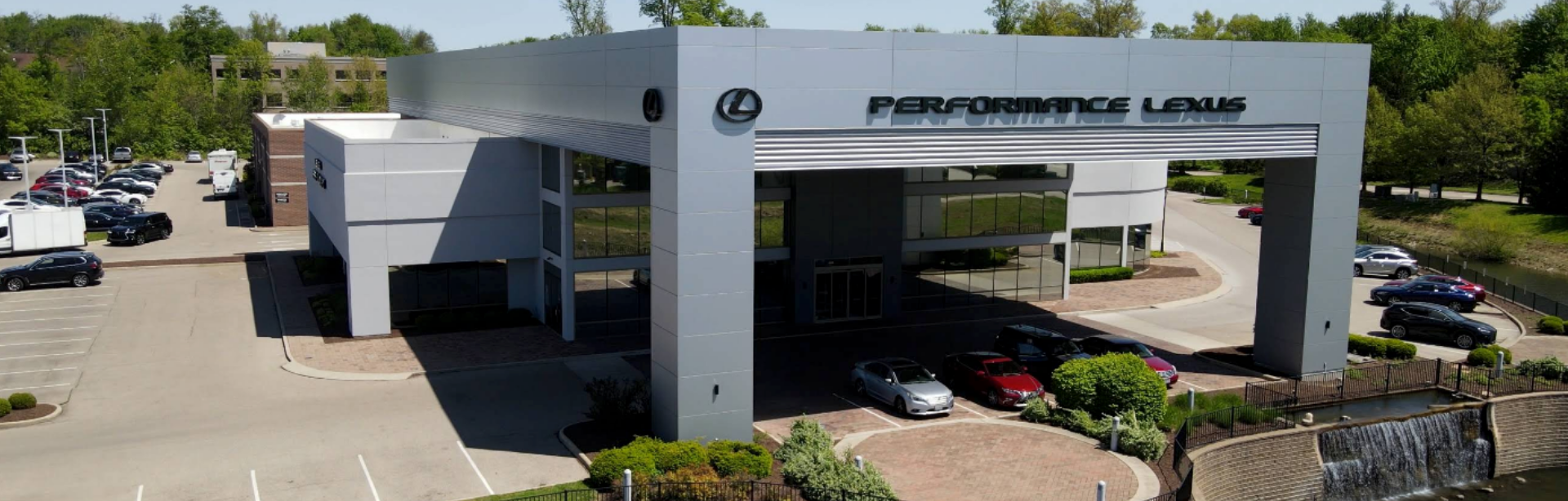
At Performance Lexus, we provide a premier luxury automotive experience for drivers in Cincinnati, Northern Kentucky, and the surrounding tri-state area. Our dealership is a flagship of the family owned Performance Automotive Network, which has set the benchmark for industry excellence for over 50 years. We are a proud multi-year recipient of the Elite of Lexus Award, a prestigious distinction that honors our team for maintaining the highest standards of customer satisfaction and operational precision. We are deeply invested in our local community through dedicated partnerships with the American Cancer Society, the Make-A-Wish Foundation, and the Susan G. Komen Foundation. Whether you are visiting our world class showroom or seeking care from our master certified technicians, you can trust our decades of professional expertise to provide a truly elite ownership journey.
Related Articles:
The Ultimate Guide to Finding the Best Lexus Dealer in Cincinnati, OH
0 comment(s) so far on Lexus Recommended Service Schedule Explained